1. The Foundation: Material Matters - Cobalt Steel Drills Shine
The drill bit material is the primary consideration when working with stainless steel. While High-Speed Steel (HSS) drills are common, they wear down quickly against stainless steel. Cobalt High-Speed Steel (HSS-Co) drills, typically with 5% to 8% cobalt content, are a superior choice. The addition of cobalt significantly enhances the drill's red hardness (ability to retain hardness at high temperatures), allowing it to stay sharper and last longer under the heat generated by machining stainless steel.
For more demanding high-volume production, Powder Metallurgy High-Speed Steel (PM-HSS) or Carbide drills offer even better performance. They possess superior hardness and wear resistance, making them ideal for difficult-to-machine stainless steels like Austenitic 304 and 316. However, they are more brittle and require greater machine and fixturing rigidity.
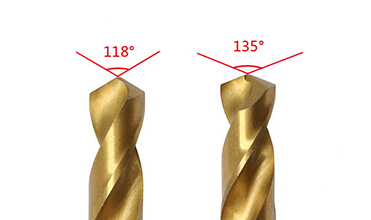
Point Angle: 135°point angle is recommended. Compared to the standard 118° angle, this steeper point allows the cutting lips to engage the material more gradually, reducing "grabbing" and helping to minimize work hardening.
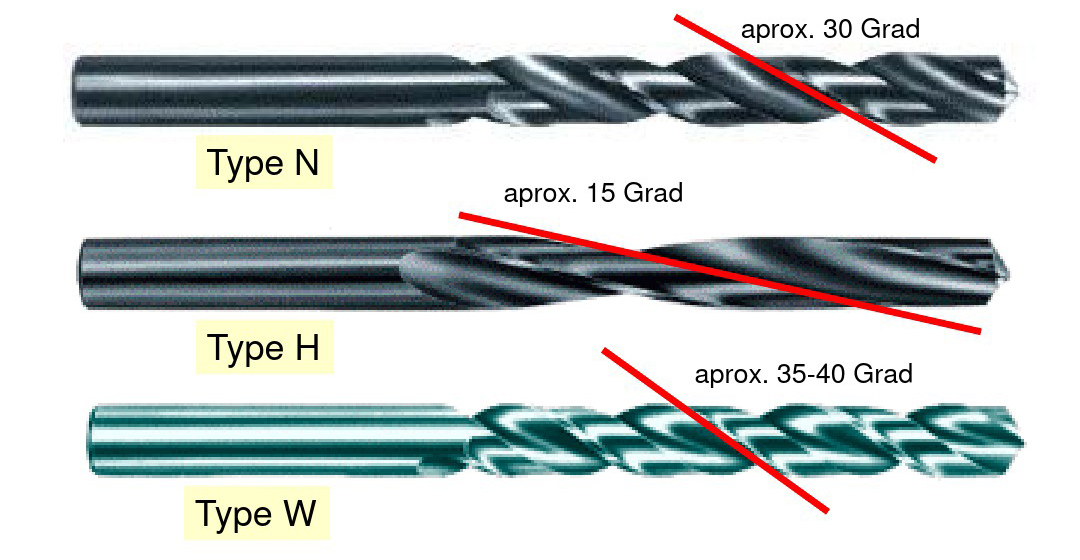
Helix Angle: A lower helix angle (around 30°) or a slow spiral design is preferable. This enhances the core strength of the drill, preventing torsional breakage, and effectively breaks long chips into manageable pieces for easier evacuation, preventing chip clogging and bore wall scoring.
3. Practical Techniques: Using the Drill Correctly is Key
Secure Workholding: Ensure both the workpiece and drilling machine are perfectly stable. Any vibration can cause drill chipping or inaccurate holes.
Adequate Cooling and Lubrication: This is paramount for drilling stainless steel. Use a dedicated cutting fluid for stainless steel. It effectively reduces temperature, provides lubrication, minimizes friction, suppresses work hardening, and aids chip removal. Aim for a continuous flow, not occasional dripping.
Optimal Parameters:
Speed (RPM): Use lower speeds. For example, for a 6mm cobalt drill, a speed of 600-800 RPM is appropriate. Excessive speed generates intense heat rapidly, damaging the drill.
Feed Rate: Maintain a steady and consistent pressure; avoid too light a feed. Hesitant, slight skimming is a primary cause of work hardening. Once you start drilling, apply firm and even pressure.
Mastering stainless steel isn't about brute force, but the combination of the right "tool" and the right "technique." The core principles are selecting a twist drill made from high-cobalt steel with a geometry optimized for stainless steel, and supporting it with ample cooling/lubrication and stable operating parameters. Keep these points in mind, and you can transform stainless steel drilling from a frustrating challenge into a smooth and efficient routine operation.